Since the last couple of years, I have been either using or reading about some really good-designed products. This made me curious to think why they are so good (at least in terms of design).
While discussing with my friends and Claude, it turned out that taste has a big role to play in it which is (to begin with) a self-expression of the creator. More on this in some other note. The other one which I personally believe very strongly is "attention to detail".
It's a very loose phrase that's very often used as a proxy to caring about the product you're building. That's fine, everybody cares but only a few leave a mark of care. And that mark of care is what I call attention to detail. The special thing about that mark of care is that it's mostly visible. In design terms, it mostly solves the unsaid needs of the customer which no user research (probably) can validate.
Let's consider a few examples to illustrate this.
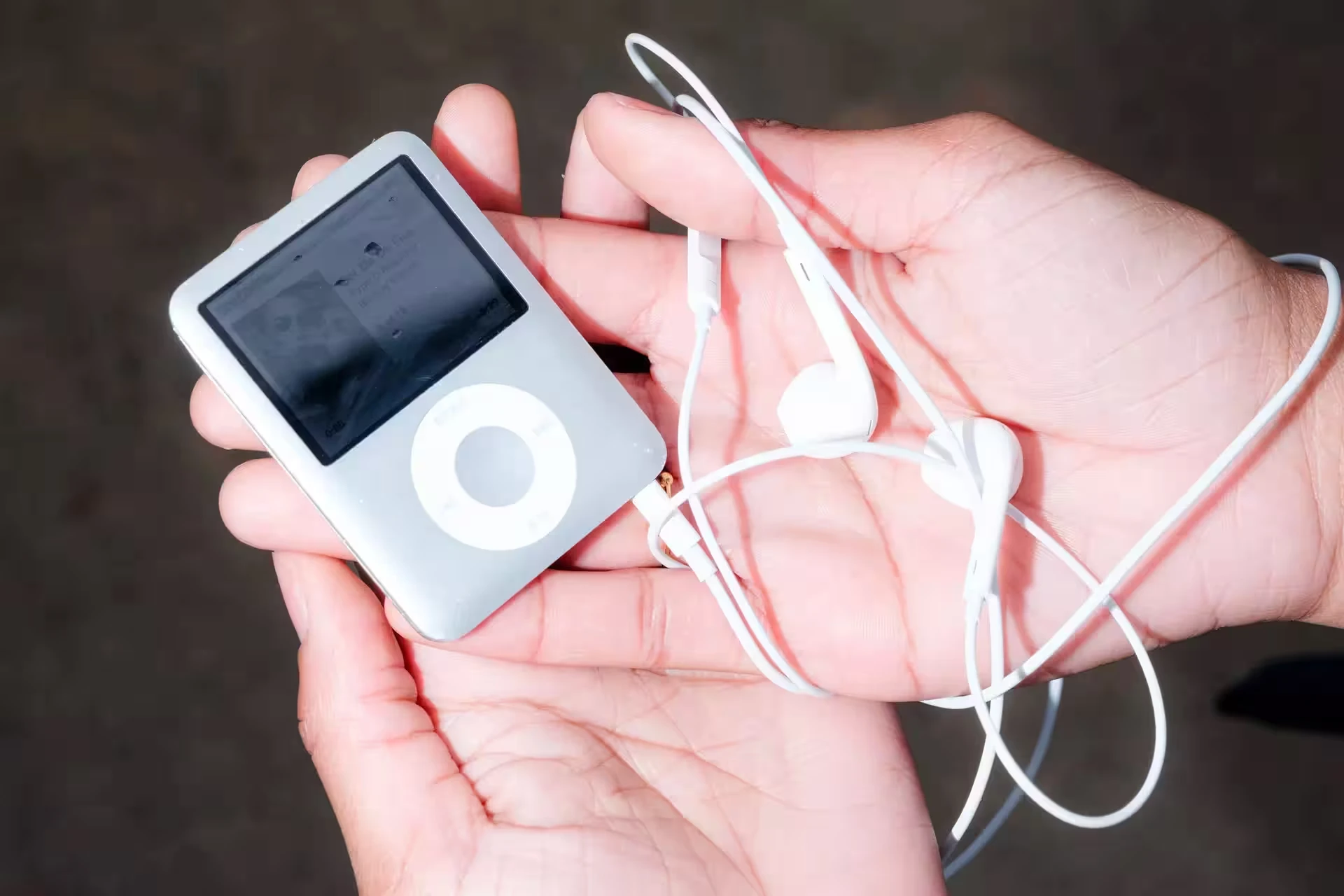
Imagine you buying a portable handheld device back in the 2000s era, the moment you open the box it screams 'charge before use'. Well, Steve saw that and said we don't let that happen to our customers. Then when iPod launched, it became the first portable device in the world that was ready to use right out of the box.
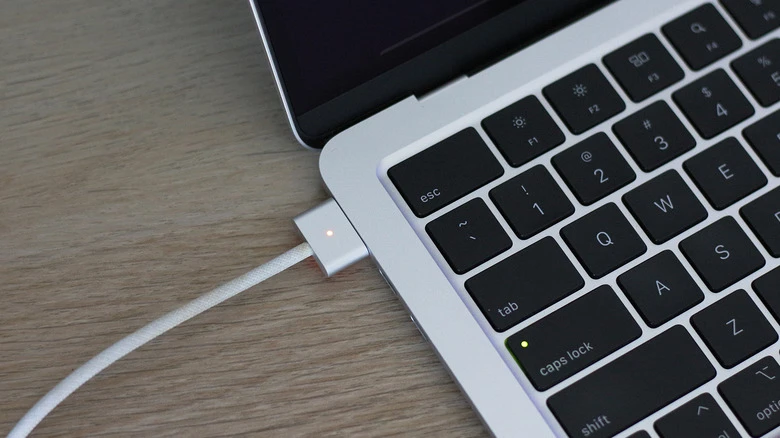
Even Apple knows that there might be kids in your homes whose legs if stuck in the charging cable (even once), the laptop can fall and break. So, they decided to build a magnetic attachment on the charging cable without compromising on charging speeds.

MacBooks are known for their insanely good battery life. The 16" MacBook Pro comes with a 100Wh battery capacity. But why only 100Wh and not more? Yes, Apple could have put more with a slight increase in weight but they don't because in flights, you can't carry any battery-operated device whose capacity is more than 100Wh.
If you look around and observe well-designed products, you will find more such examples. But the real question still remains, why do a very few creators show a lot of attention to detail in their creation while others doen't?
It turns out, the one trait the creators of such products possess is "intent". We all can relate to the Urdu version of this word "niyat" or somebody's intention, mindset or motive. There's a famous excerpt from Steve Jobs biography:
"When you're a carpenter making a beautiful chest of drawers, you're not going to use a piece of plywood on the back, even though it faces the wall and nobody will ever see it. You'll know it's there, so you're going to use a beautiful piece of wood on the back. For you to sleep well at night, the aesthetic, the quality, has to be carried all the way through."
The challenge is this intent, which only a very few possess, is largely intrinsic. It's a very philosophical quest to be on which nobody asked for nor users, employees, founders or even investors. No manager can create this intrinsic trait in you.
Back in the day when artists spend days (if not weeks) to make sure every stroke is perfect, potters spend days making sure they make the perfect shape of the pot etc. These are a few professions where people know their soul may not sleep peacefully but constantly think about that little imperfection. Of course, it required a lot of patience.
In an era, where things are being built so fast that people "don't have time" to focus on the little details. At the end, customers buy a product to solve their problems. Yes sure, anybody can build products to solve problems but a few can make them feel something. That feeling turning into vocabulary, becoming the ultimate moat for the creator.
We are in the era of much sloppy stuff and it's accelerating even faster. A very few people has intent to stop to think why they are building what they are building with intent. No AI can replicate this intent in the products. It has to come from within.
At the end, this intent game is hard because it requires the creator to have insane amount of patience to go really deep into creation and create with such a soul as if it's the last creation of their life.